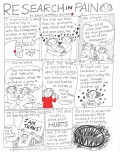
Research in Pain
“Research in Pain” 1/4 “Research in Pain” 2/4 “Research in Pain” 3/4 “Research in Pain” 4/4 Sally Campbell Galman is an artist, associate professor of c…
“Research in Pain” 1/4 “Research in Pain” 2/4 “Research in Pain” 3/4 “Research in Pain” 4/4 Sally Campbell Galman is an artist, associate professor of c…
An emergent feminized/queered resistance could unsettle the masculinist politics of today’s populist leaders. In an age marked by the global ascendency of right-wing populist politicians, from Donald…
Venezuelans chose between two competing populist projects with starkly different visions of inequality and privilege. Hugo Chávez is back. A seemingly endless stream of commentators insists that the…

“Hey, I’m a nationalist and a globalist,” Donald Trump recently declared, “I’m both”. The only way in which the two (seemingly contradictory) positions can be reconciled is by…

Consumers, fed up with having to throw away broken phones, toasters and other appliances, are instead meeting to learn how to repair them and to extend the lifetime…
According to the AAA, anthropology is defined as the study of what makes us human. In accordance with its broad definition, the field of anthropology is incredibly diverse,…

by Rebecca Prentice May 1, 2017: On a rainy evening in Brighton, more than two hundred people took to the streets to protest economic precariousness. The ‘Precarious May…
Körperbemalung gibt es schon seit den Anfängen der Menschheitsgeschichte. Die Kriegsbemalung vieler Urvölker wird sogar als die „Urform des Bodypaintings“ bezeichnet und hatte mehr als nur dekorative …
Once upon a time, Americans didn’t know what to do with "alligator pears." Now we can’t get enough — Read more on ScientificAmerican.com

I found myself asking this morning why I chose to break this blog up into 4 pieces instead of just pulling it all together in one sitting and…
Seminar “Indigenous Media” for the MA Program in Visual and Media Anthropology at the Free University Berlin. Course Description “Indigenous media matters because indigenous people d…
Lawns are the most grown crop in the U.S.—and they’re not one that anyone can eat; their primary purpose is to make us look and feel good about ourselves —…
Grumpy Grad Student I am an early tenure-track professor with a needy grad student advisee. I appreciated my PhD advisor’s practice of briefly checking in with my mental…
We often regard 9/11 as the pivotal moment in which people’s views about Islam and Muslims changed. Notwithstanding the fact that it was indeed a huge moment, the…
Hi all, You’ll notice the new layout; there have been a few problems with Blogger’s dynamic themes so I switched to a more traditional one. The blog loads…
Hi all, You’ll notice the new layout; there have been a few problems with Blogger’s dynamic themes so I switched to a more traditional one. The blog loads…
The construction of a proposed natural gas pipeline in Puerto Rico’s Jobos Bay would threaten one of the island’s largest estuaries and the people who depend on it.…
Was haben Geographie, Zoologie und Astronomie gemeinsam? Sie werden nach ihrem Forschungs-GEGENSTAND benannt. Wie die meisten wissenschaftlichen Disziplinen. Während sich die Geographie buchstäblich d…
What do you do when a global cooperation pollutes your hometown, while the owners live on a different continent? Who can you complain to when your job is…
What do you do when a global cooperation pollutes your hometown, while the owners live on a different continent? Who can you complain to when your job is…

What do you do when a global cooperation pollutes your hometown, while the owners live on a different continent? Who can you complain to when your job is…
3 May marks the annual World Press Freedom Day. The Nordic Information Centre for Media and Communication Research (Nordicom) which hosts the UNESCO Chair on Freedom of Expression,…
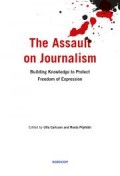
3 May marks the annual World Press Freedom Day. The Nordic Information Centre for Media and Communication Research (Nordicom) which hosts the UNESCO Chair on Freedom of Expression,…
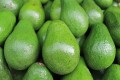
Once upon a time, Americans didn’t know what to do with "alligator pears." Now we can’t get enough — Read more on ScientificAmerican.com